Now I know I can talk about it
Experience story

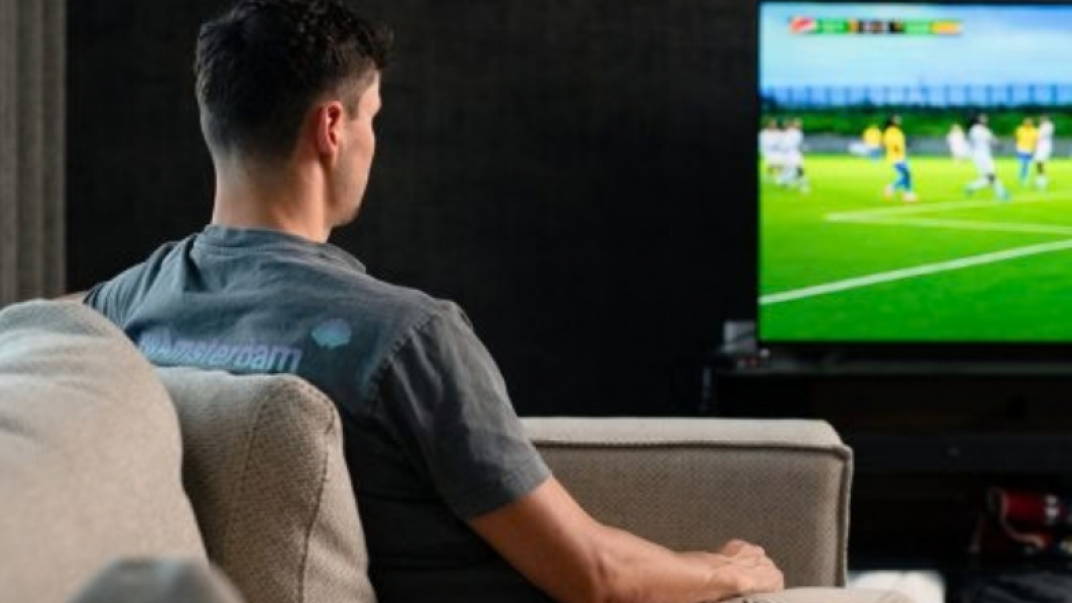
“When I was seventeen, I signed my first professional contract with Jong PSV. I was earning quite a bit of money, so the small change I’d used to gamble with turned into larger sums. I spent about 40 per cent of my monthly salary on gambling. I started taking more risks, wanting to win back the money I’d lost, and betting more. It wasn’t harmless anymore. My team-mates went to Holland Casino every Friday evening. When I moved to Eindhoven at the age of eighteen, I went along with them. With the 100 euros I had with me on the first evening, I played poker, blackjack and roulette. Less than three hours later, I went home with 500 euros. From that moment on, I was at the casino every week.
During that period, I suffered a lot of injuries and wasn’t performing to my usual standard on the pitch. My parents also went through a divorce, partly due to my father’s gambling addiction. During the divorce, my mum was diagnosed with breast cancer. My mum was the one I could always turn to. When she fell ill, it felt as though the ground had been pulled from under my feet. I completely shut down. In the world of football, I’d learnt that you have to be strong and keep your feelings to yourself. So I bottled it all up and pretended nothing was wrong.
Turning point
I turned to gambling. My budget went out the window. One evening I lost 500 euros, but instead of going home, I thought: I’ve got to win that back. So I withdrew another 500 euros. And then yet another. By the time I found myself standing outside at three in the morning, I’d lost 1,500 euros. That was a turning point. From then on, I went to the casino four times a week. On my own.
Football had always come first, but that changed too. PSV didn’t renew my contract. I couldn’t find any joy in life anymore. I didn’t think my gambling was the cause of my unhappiness. “I’ve got it under control. If I win the jackpot tomorrow, all my problems will be sorted.”
Downhill
Back in Belgium, when I was 21, I discovered online gambling, which made my gambling problem worse. I was just one click away from gambling, and I could do it anytime, anywhere. When my partner found out that I’d gambled away all my savings, she’d had enough. She couldn’t trust me anymore. That hurt terribly, but even that wasn’t enough to make me stop. My employer also found out that I was gambling during working hours. I was given a warning, but I couldn’t stop. Eventually, I was sacked.
No job and no partner anymore… My life was bleak. Gambling became an escape from reality. I ran out of money; I started borrowing money from people. I didn’t use it to pay my bills; I used it to gamble. That’s how I got into debt. My mum was the first to say: “I think you’ve got a gambling problem. Get some help.” I told her I didn’t have a problem and that she didn’t need to worry. I felt so ashamed that I found it easier to deny it.
Things went from bad to worse until I was 25. I borrowed money from the wrong sort of people, who then went to my parents to chase up the money I couldn’t pay back. My parents cut me off, and by the time I was 24, I ended up on the streets. My grandmother was the only one who still opened her door to me. It was from her, of all people, that I started stealing money so I could gamble. I’m still ashamed of that. At that moment, I knew I’d become someone I’d never wanted to be.
Dark
Then everything went dark in my head. I couldn’t see a way out and thought everyone would be better off without me. Those were the darkest thoughts I’ve ever had. The fact that I eventually shared them with my mum probably saved my life. In 2016, I checked myself into a clinic. As I wanted to escape, I was admitted to a private clinic in Cape Town amongst people with alcohol or drug addictions. When I arrived there, I thought my problems were less serious than those of people with alcohol or drug addictions. But after the first few sessions, I realised that we were all running away from the same thing. It was just that my drug was gambling.
Handles
At the clinic, I finally felt understood. There were people there who hadn’t gambled for years, which gave me confidence. After three months, I came home with the tools I needed to get my life back on track and to deal with temptations.
Back in Belgium, my life was still a right mess. I was in debt and had fallen out with people. My mum paid off all my creditors, and together we drew up a repayment plan so that I could pay her back. I was given some pocket money, moved in with my mum, and she managed my finances. I cut ties with the people I used to gamble with.
Urge
During my first year of staying away from gambling, I often felt the urge to gamble again. I’d learnt during my therapy that this is normal and that it goes away after a few years. The key is not to give in to it. When you’re having a bad day, you might think that gambling can numb your emotions. Now I know that I can talk about it and that there are other ways to feel better.
Looking back now, I realise how quickly I lost everything: my career, my relationships, my family and, in the end, almost my life. That’s why I want to say this to young people: don’t underestimate gambling. Talk about it as soon as you notice it starting to take over your life. I know how difficult it is to ask for help, but I also know what a difference it can make.